

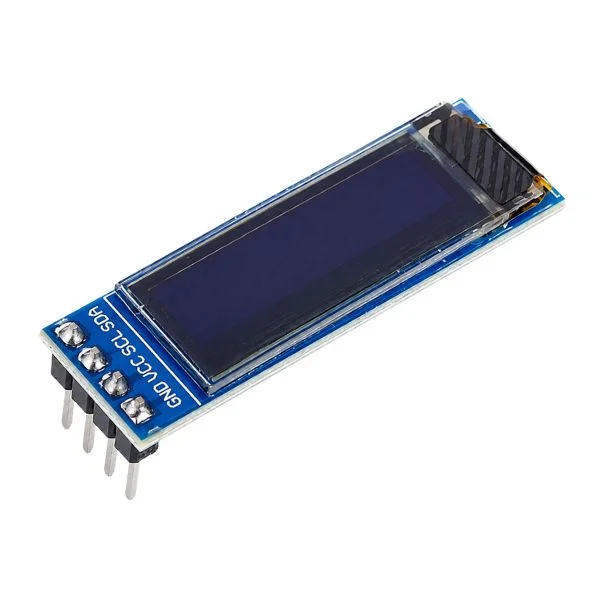
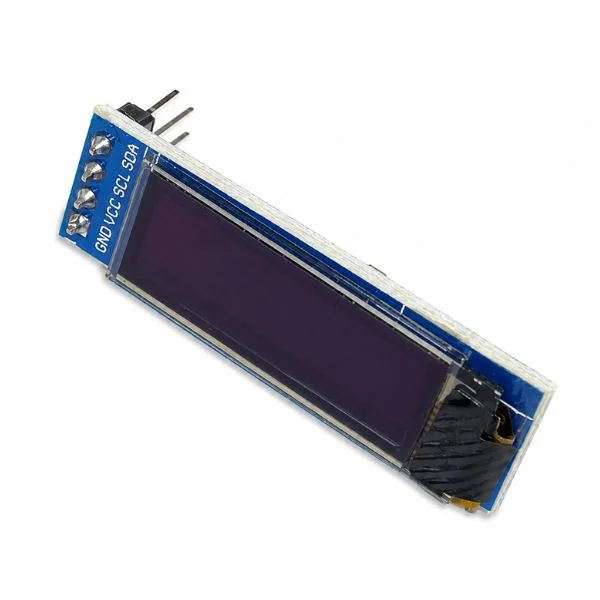
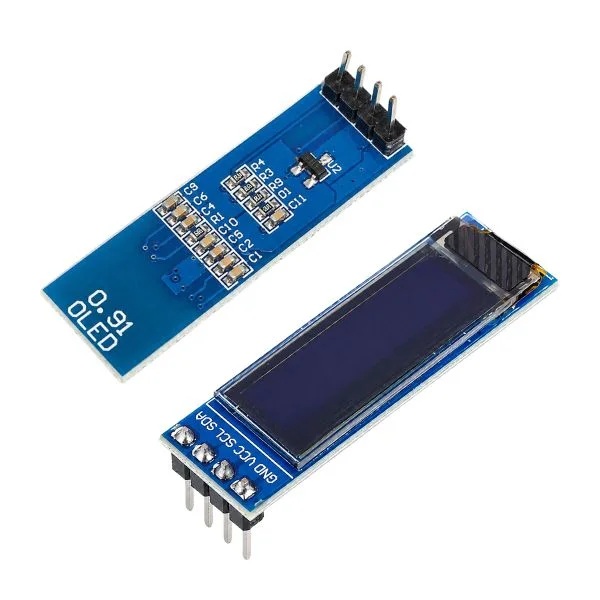
0.91 inch 128×32 Blue OLED Display Module with I2C/IIC Serial Interface
₹169.00 (inc. GST)
- 0.91-inch OLED module features 128×32 blue ultra-slim display.
- I2C interface uses VCC, GND, SDA, and SCL pins.
- Operates reliably from 2.8V to 5V DC power supply.
- Compact PCB suits space-constrained embedded electronics projects perfectly.
- Supports Arduino, ESP32, ESP8266, and development boards seamlessly.
In stock
You’re now subscribed to price tracking for this product. We’ll notify you if the price drops.
0.91 Inch 128×32 Blue OLED Display Module – I2C/IIC SSD1306 OLED Screen for Arduino
Product Description
The 0.91 Inch 128×32 Blue OLED Display Module is a compact, high-contrast OLED screen designed for Arduino, ESP32, ESP8266, Raspberry Pi, and other microcontroller projects. With a 128×32 pixel resolution, this OLED module provides sharp blue text and graphics on a black background, making it ideal for displaying sensor readings, status information, menus, measurements, and other project data.
Unlike traditional LCD displays, OLED technology does not require a separate backlight. Each pixel produces its own light, resulting in excellent contrast, a wide viewing angle, low power consumption, and a slim form factor.
The module communicates through the I2C/IIC serial interface, requiring only four connections: VCC, GND, SDA, and SCL. This makes it particularly convenient for compact Arduino and ESP-based projects where GPIO pins and PCB space are limited.
Its small 0.91-inch form factor makes it an excellent choice for wearable electronics, IoT devices, robotics, portable instruments, DIY electronics, and embedded systems.
Key Features
- 0.91-inch compact OLED display
- 128 × 32 pixel resolution
- Bright blue OLED pixels on black background
- High contrast for clear text and graphics
- I2C/IIC serial interface
- Only 4 pins required for connection
- No backlight required
- Self-emissive OLED technology
- Low power consumption
- Wide viewing angle
- Slim and lightweight design
- Easy to interface with Arduino and other microcontrollers
- Ideal for compact DIY and embedded electronics projects
Technical Specifications
| Parameter | Specification |
|---|---|
| Display Type | OLED |
| Display Size | 0.91 Inch |
| Resolution | 128 × 32 Pixels |
| Display Color | Blue |
| Background | Black |
| Interface | I2C / IIC |
| Pins | GND, VCC, SCL, SDA |
| Operating Voltage | 3.3V–5V |
| Display Technology | Self-Illuminating OLED |
| Backlight | Not Required |
| Viewing Angle | Wide |
| Module Type | Monochrome OLED Display |
Pin Configuration
| Pin | Description |
|---|---|
| GND | Power Ground |
| VCC | Power Supply – 3.3V to 5V DC |
| SCL | I2C Clock Line |
| SDA | I2C Data Line |
Why Choose an OLED Display?
The OLED display offers several advantages over conventional LCD and LED displays. Since each pixel generates its own light, there is no separate backlight, allowing the module to remain thin while providing excellent contrast.
The black background and bright blue pixels make displayed information easy to read, even in compact electronic projects. The wide viewing angle also allows the screen to remain visible from different directions.
Applications
The 0.91 Inch 128×32 OLED Display Module is suitable for a wide range of electronics and embedded projects:
- Arduino Projects
- ESP32 Projects
- ESP8266 Projects
- Raspberry Pi Projects
- IoT Devices
- Robotics Projects
- Sensor Data Display
- Temperature & Humidity Monitoring
- Voltage & Current Monitoring
- Battery Level Indicators
- Portable Measuring Instruments
- DIY Electronic Gadgets
- Wearable Electronics
- Home Automation Projects
- Embedded Systems
- Mini Control Panels
Easy I2C Interface
The built-in I2C/IIC interface makes this OLED module simple to connect to a microcontroller. Unlike parallel displays that require multiple GPIO pins, this module uses only SDA and SCL for communication, along with power and ground.
This makes it especially useful when working with Arduino, ESP32, ESP8266, and other development boards with limited available GPIO pins.
Advantages
- Compact 0.91-inch form factor
- Sharp 128×32 pixel display
- Bright blue monochrome output
- Excellent contrast
- Low power consumption
- No backlight required
- Simple 4-pin connection
- I2C interface saves microcontroller GPIO pins
- Suitable for both beginners and advanced electronics projects
Package Includes
1 × 0.91 Inch 128×32 Blue OLED Display Module
Important Note
- Please verify the required operating voltage and I2C compatibility with your controller before connecting.
- The display is monochrome and produces blue pixels only.
- The actual I2C address may vary depending on the module version and controller configuration.
- Always check the pin labels on the module before wiring.
1 review for 0.91 inch 128×32 Blue OLED Display Module with I2C/IIC Serial Interface
Clear filtersOnly logged in customers who have purchased this product may leave a review.
Q & A
Refund and Returns Policy
Our refund and returns policy lasts 10 days from the date of delivery. If 10 days have passed since your purchase, we can’t offer you a full refund or exchange.
To be eligible for a return, your item must be unused and in the same condition that you received it. It must also be in the original packaging.
Several types of goods are exempt from being returned.
- Gift cards
- Downloadable software products
To complete your return, we require a receipt or proof of purchase.
Please do not send your purchase back to the manufacturer.
Partial Refund
There are certain situations where only partial refunds are granted (if applicable)
- Any item not in its original condition, is damaged or missing parts for reasons not due to our error.
- Any item that is returned more than 10 days after delivery
Refunds
Once your return is received and inspected, we will send you an email to notify you that we have received your returned item. We will also notify you of the approval or rejection of your refund.
If you are approved, then your refund will be processed, and a credit will automatically be applied to your credit card or original method of payment, within a certain amount of days.
Late or missing refunds
If you haven’t received a refund yet, first check your bank account again.
Then contact your credit card company, it may take some time before your refund is officially posted.
Next contact your bank. There is often some processing time before a refund is posted.
If you’ve done all of this and you still have not received your refund yet, please contact us at [email protected].
Late or missing refunds (if applicable)
Once refund is initiated you will get the refund initiated mail. after that wait for minimum 3 days.
Then contact your credit card company, it may take some time before your refund is officially posted.
Next, contact your bank. There is often some processing time before a refund is posted.
If you’ve done all of this and you still have not received your refund yet, please contact us at [email protected]
Sale Items
Only regular priced items may be refunded. Sale items cannot be refunded.
Exchanges
We only replace items if they are defective or damaged(during shipping) please take the photo if package is tempered or damage at the time of receiving goods . If you need to exchange it for the same item, send us an email at [email protected] and send your item to: M/S Rytronics Enterprises, Plot GH-05B Greater noida west Sector, 201306 (UP).
Shipping returns
To return your product, you should mail your product to: M/S Rytronics Enterprises, Plot GH-05B, Greater noida west Sector, 201306 (UP).
You will be responsible for paying for your own shipping costs for returning your item. Shipping costs are non-refundable. If you receive a refund, the cost of return shipping will be deducted from your refund.
Depending on where you live, the time it may take for your exchanged product to reach you may vary.
If you are returning more items value more then Rs 2000, you may consider using a trackable shipping service or purchasing shipping insurance. We don’t guarantee that we will receive your returned item.
Need help?
Contact us at [email protected] for questions related to refunds and returns.
You may also like…
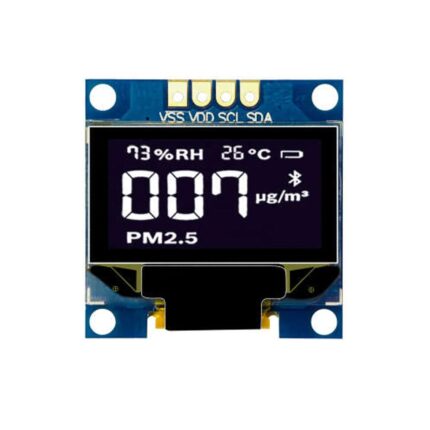
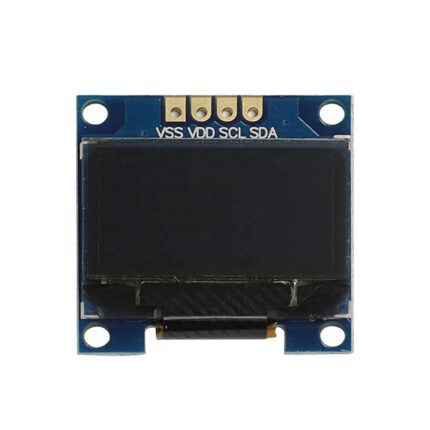
0.96 Inch I2C/IIC 4pin OLED Display Module BLUE
In stock
Original price was: ₹255.00.₹199.00Current price is: ₹199.00. (inc. GST)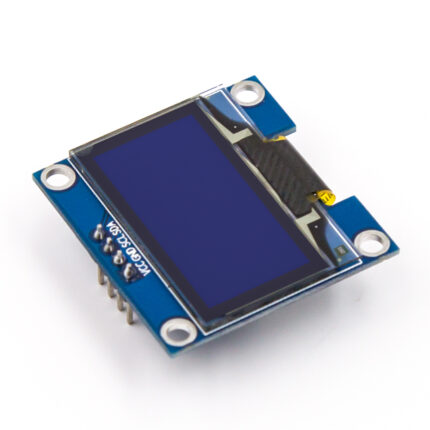
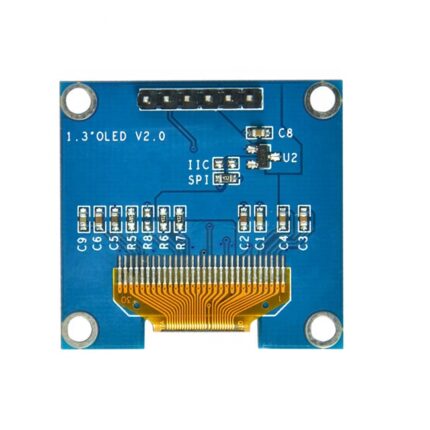
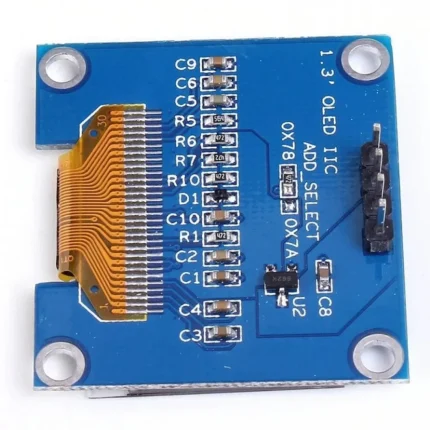
1.3 Inch I2C IIC 4 pin OLED Display Module with VCC GND-Blue
In stock
Original price was: ₹399.00.₹268.00Current price is: ₹268.00. (inc. GST)
1.3 inch 128×64 SSD1106 Controller I2C/SPI OLED Display – White Color Screen
In stock
Original price was: ₹347.00.₹299.00Current price is: ₹299.00. (inc. GST)Related products
XY-LPWM Signal Generator PWM Pulse Frequency Duty Cycle Adjustable Module LCD Display Module
In stock
Original price was: ₹249.00.₹169.00Current price is: ₹169.00. (inc. GST)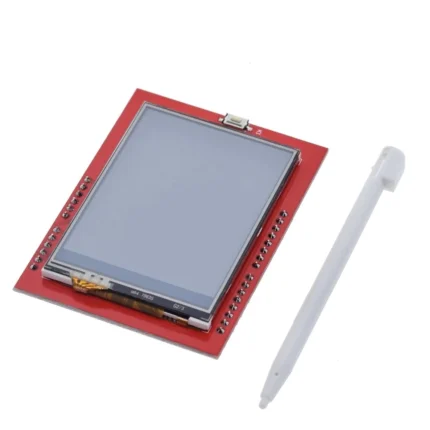
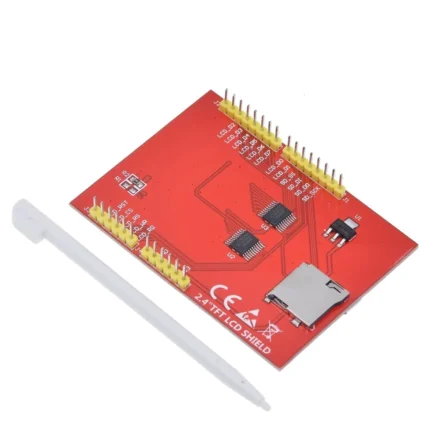
2.4 Inch Touch Screen TFT Display Shield for Arduino
In stock
Original price was: ₹699.00.₹428.00Current price is: ₹428.00. (inc. GST)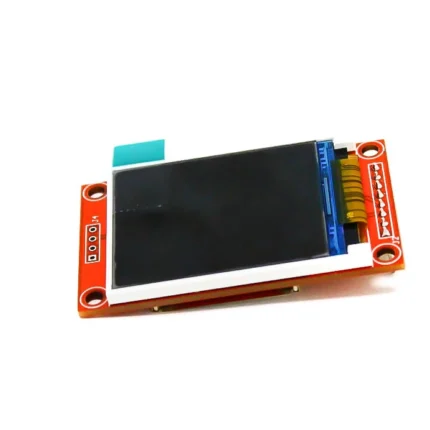
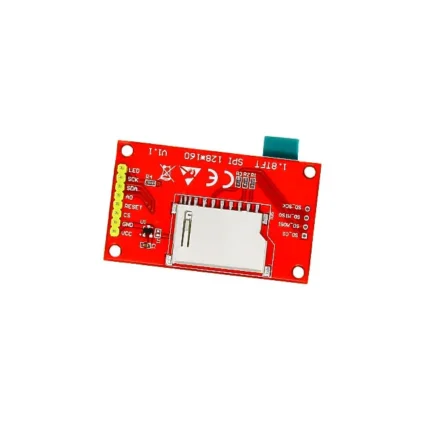
1.8 Inch TFT LCD Module 128 x 160 with 4 IO
In stock
Original price was: ₹399.00.₹299.00Current price is: ₹299.00. (inc. GST)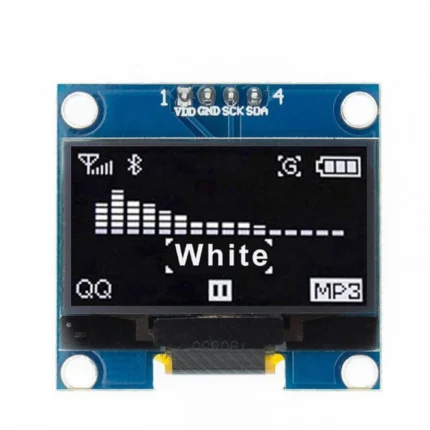
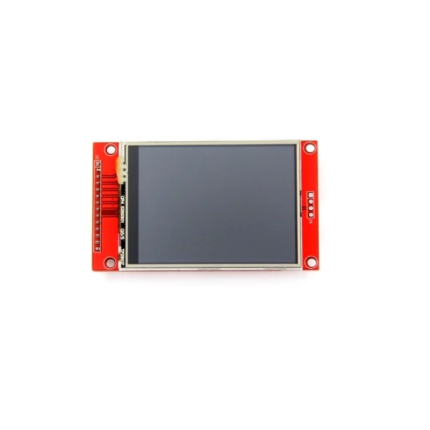
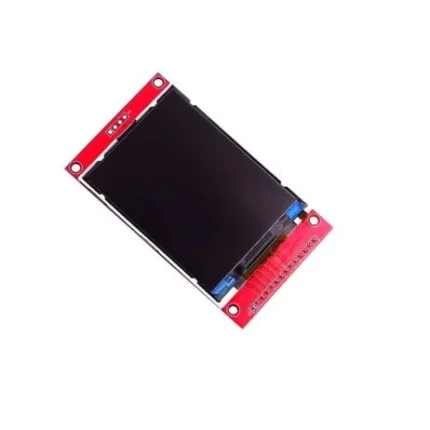
2.8 inch SPI Screen Module TFT Interface 240 x 320 without Touch
In stock
Original price was: ₹610.00.₹599.00Current price is: ₹599.00. (inc. GST)
3.5″ inch ILI9486 TFT Shield LCD Module 480×320 for Arduino
In stock
Original price was: ₹1546.00.₹945.00Current price is: ₹945.00. (inc. GST)
3.5 inch TFT 480×320 Ultra HD LCD Touch Screen Display for Arduino
Out of stock
Original price was: ₹1546.00.₹1045.00Current price is: ₹1045.00. (inc. GST)
(D69-2058) Multi-function Digital Meter (6 in 1)
Out of stock
Original price was: ₹1848.00.₹1499.00Current price is: ₹1499.00. (inc. GST)
Verified owner RAVIRAJ KUMAR (verified owner) –
got cutted wired, emailed same day for replacement, no reply yet